Solar-Powered Wearables: Charging Your Tech on the Go
17 May 2026
In today's fast-paced world, we're more dependent on technology than ever before. Whether it’s a smartwatch tracking our fitness, wireless earbuds providing the soundtrack to our daily commute, or a smartphone that keeps us connected with the world, we rely on our gadgets more than we care to admit. But with all this tech comes one common problem—battery life. How often have you found yourself desperately searching for an outlet or carrying around a bulky power bank? Well, what if I told you that the sun could solve this problem?
Enter solar-powered wearables. These innovative gadgets are designed to harness the power of the sun to keep your devices charged and ready to go, no matter where you are. Sounds like something out of a sci-fi movie, right? But it’s very real, and it’s happening now. Let's dive into how solar-powered wearables work, their benefits, and how they could change the way we charge our tech forever.
What Are Solar-Powered Wearables?
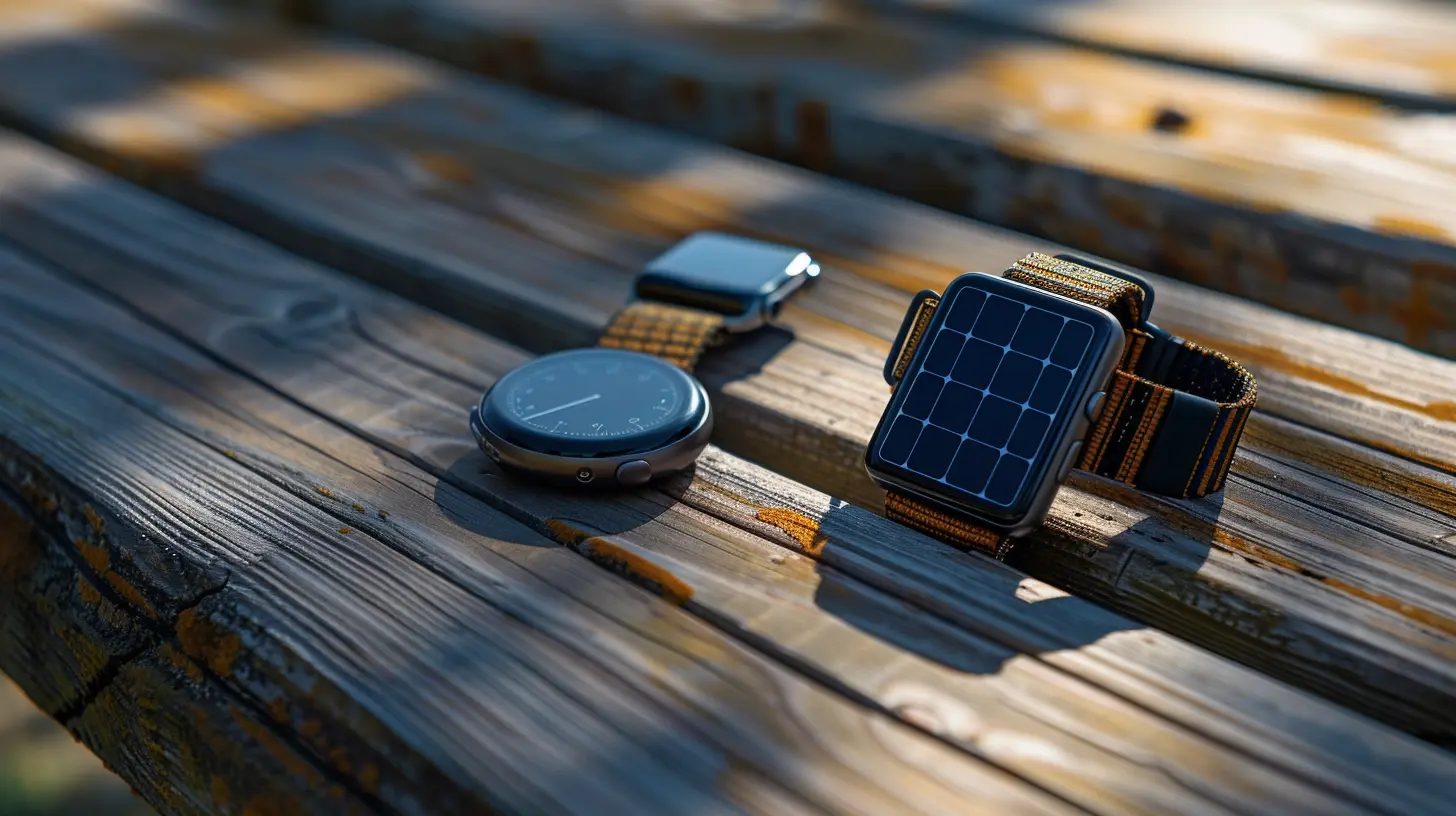
First, let’s break it down. Solar-powered wearables are exactly what they sound like—wearable tech that utilizes solar energy to operate or charge its battery. Whether it's a watch, a fitness tracker, or even a jacket, these devices are equipped with tiny solar panels that collect energy from sunlight.The idea is simple: instead of solely relying on traditional charging methods, these devices can draw power directly from the sun. It’s a sustainable, environmentally friendly alternative to plugging in your gadgets every night or lugging around a portable charger. Plus, it gives you the freedom to use your devices anywhere without worrying about battery life.
How Do They Work?
The concept behind solar-powered wearables is pretty straightforward. The solar panels embedded in these devices are made from photovoltaic (PV) cells, which convert sunlight into electrical energy. This energy is stored in an internal battery, so you can use it to power the device immediately or save it for later when you need it.What’s cool is that these solar panels can gather energy not just from direct sunlight but even from ambient light. So, whether you're outside on a sunny day or just hanging out in a brightly lit room, your wearable can still collect power. Neat, right?
However, it's important to note that solar panels on wearables are usually quite small, meaning they won't fully replace traditional charging methods—at least not yet. But they can certainly extend the battery life and reduce the frequency with which you need to plug in.
Types of Solar-Powered Wearables
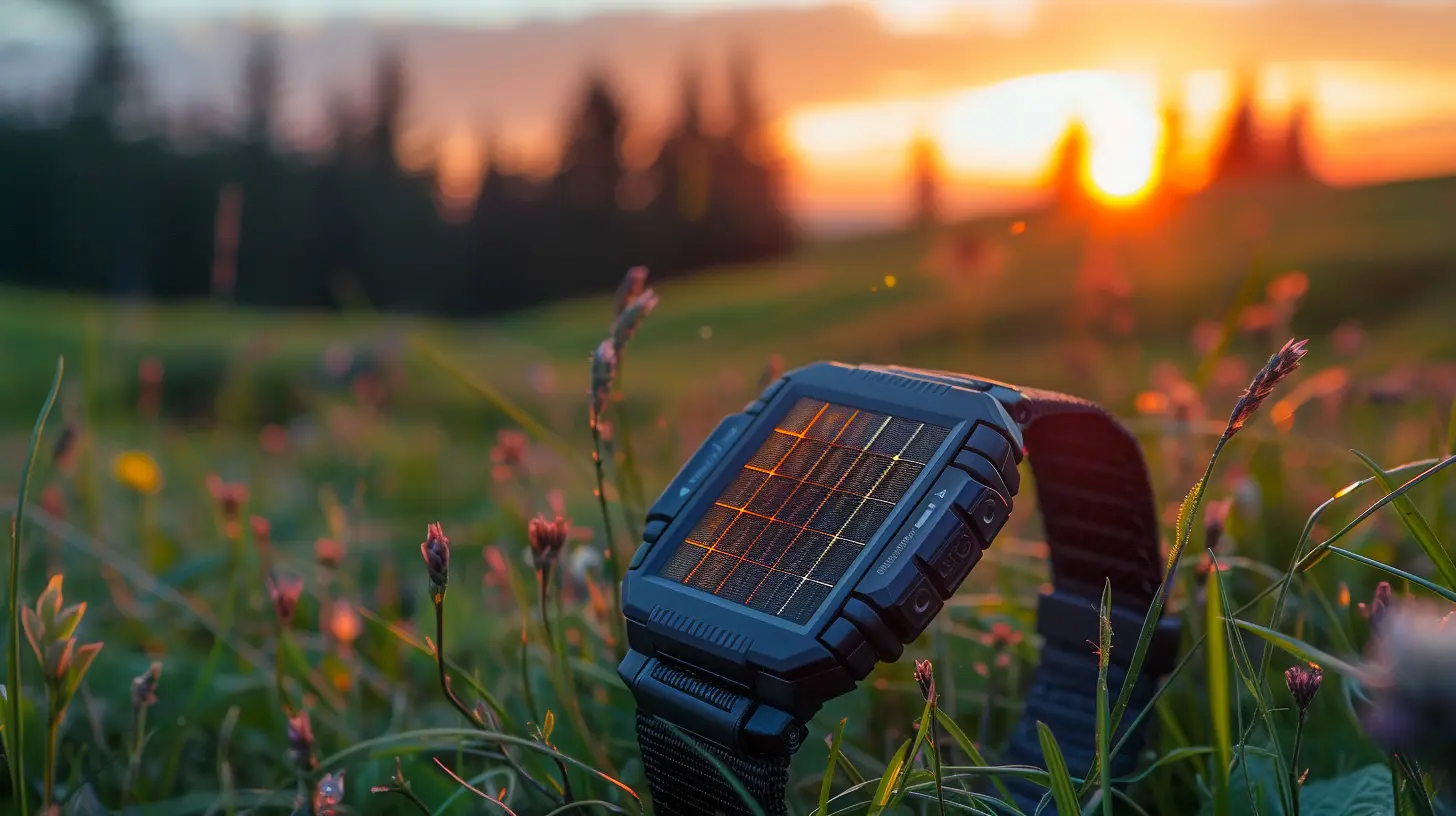
Solar technology is increasingly being integrated into various types of wearables, from smartwatches to backpacks. Below are some of the most common solar-powered gadgets you can find today.1. Solar-Powered Smartwatches
Smartwatches are probably the most popular type of solar-powered wearable right now. These devices are already super convenient, allowing you to check your notifications, track your fitness, and even make calls right from your wrist. By adding solar power into the mix, smartwatches become even more practical.For example, some solar-powered smartwatches use the sun to extend their battery life. You might not be able to fully charge the watch solely using solar energy, but the panels can give you enough juice to keep it running for a few more hours—or even days if you're lucky. This feature is especially handy for outdoor enthusiasts who might not have access to a power source for an extended period.
2. Solar-Powered Fitness Trackers
Fitness trackers are all about convenience. Nobody wants to deal with wires and chargers when they’re trying to stay active. Solar-powered fitness trackers can help solve this problem by using solar energy to power the device, allowing you to track your steps, heart rate, and calories burned without needing to charge as often.These wearables are particularly useful for people who love hiking, running, or biking outdoors. You’re already spending time soaking up the sun—why not let your fitness tracker do the same?
3. Solar-Powered Headphones
Yep, even your headphones can be solar-powered. Some innovative companies have started integrating solar panels into the headband of wireless headphones. While the panels might not fully charge the headphones, they can certainly extend the battery life, allowing you to listen to your favorite tunes or podcasts without constantly worrying about running out of battery.4. Solar-Powered Backpacks and Clothing
Okay, this might not strictly fall under the "wearables" category, but solar-powered backpacks and clothing are becoming a thing, and they’re worth mentioning. Imagine a backpack equipped with solar panels that can charge your smartphone, tablet, or even a laptop while you're on the go. Some jackets and hats also come with tiny solar panels built into them, so you can keep your devices charged without carrying around extra gear.
Why Solar-Powered Wearables Are a Game-Changer
Now that we know what solar-powered wearables are and how they work, let’s talk about why they’re such a big deal. There are several reasons why these gadgets could have a major impact on how we charge and use our tech.1. Sustainability
One of the biggest benefits of solar-powered wearables is that they’re eco-friendly. Traditional charging methods rely on electricity, which often comes from non-renewable sources like coal and natural gas. By using solar energy to power your devices, you're reducing your carbon footprint and contributing to a more sustainable future. Plus, as solar technology continues to improve, we could eventually see wearables that rely solely on solar energy, eliminating the need for traditional chargers altogether.2. Convenience
Let’s face it—we’ve all been in situations where we desperately needed to charge our devices but couldn’t find an outlet. Whether you’re camping in the wilderness, traveling, or just stuck in a long meeting, solar-powered wearables can save the day by giving you that extra battery life when you need it most. No more running out of juice when you’re in the middle of nowhere!3. Cost Savings
While solar-powered wearables might be a bit more expensive upfront, they can save you money in the long run by reducing your reliance on electricity. You won’t need to charge your devices as often, which can lower your energy bills over time. Plus, some solar-powered gadgets can even help you reduce the need for replacement batteries, which can be both costly and wasteful.4. Portability
Carrying around extra chargers or power banks can be a hassle, especially if you're traveling light. Solar-powered wearables eliminate the need for bulky charging accessories, giving you more freedom to move around without worrying about how you’re going to keep your devices charged.
Challenges Facing Solar-Powered Wearables
While solar-powered wearables are undoubtedly cool, they’re not without their challenges. As with any emerging technology, there are some limitations that need to be addressed before these gadgets become mainstream.1. Limited Solar Panel Size
One of the biggest challenges facing solar-powered wearables is the size of the solar panels. Because wearables are designed to be small and lightweight, the solar panels they use are also quite small. This means they can't capture as much energy as larger solar panels, limiting their ability to fully charge devices.2. Weather Dependency
Another issue is that solar-powered wearables rely on sunlight to function. If you live in a cloudy or rainy area, or if you spend a lot of time indoors, you might not get enough sunlight to keep your devices charged. This is where hybrid wearables come in handy—those that combine solar power with traditional charging methods—but it’s still a challenge that needs to be addressed.3. Energy Efficiency
Solar panels aren't 100% efficient, meaning some of the sunlight they capture is lost as heat instead of being converted into electricity. This inefficiency can limit the amount of energy your wearable can store, especially if the panels are small to begin with.The Future of Solar-Powered Wearables
Despite these challenges, the future of solar-powered wearables looks bright—pun intended. As solar technology continues to improve, we can expect to see more efficient solar panels, better energy storage solutions, and even more innovative designs that incorporate solar power into wearable tech. Imagine a future where your smartwatch never needs to be plugged in, or your jacket can charge your phone while you walk to work. That future might be closer than you think.In the short term, we can expect to see solar-powered wearables become more popular among outdoor enthusiasts, travelers, and eco-conscious consumers. As the technology improves and becomes more affordable, it's likely that solar-powered wearables will become a common feature in everyday tech.
Conclusion: Is Solar Power the Future of Wearable Tech?
Solar-powered wearables are an exciting glimpse into the future of tech. They offer a sustainable, convenient, and portable way to keep our devices charged, all while reducing our reliance on non-renewable energy sources. While there are still some challenges to overcome, the potential for solar-powered wearables is enormous.So, the next time you’re out enjoying the sunshine, just think—your gadgets could be, too.
all images in this post were generated using AI tools
Category:
Renewable EnergyAuthor:

Michael Robinson
Discussion
rate this article
1 comments
Skye Banks
Great insights on solar-powered wearables! Excited to see how this tech evolves for everyday use.
June 10, 2026 at 2:51 AM
Michael Robinson
Thank you! I'm excited too. The potential for solar-powered wearables is huge, and I can't wait to see how they become part of our daily lives.