Wearable Devices for Gamers: Leveling Up Your Experience
24 May 2026
Gaming has come a long way since the days of pixelated screens and clunky joysticks. Today, we're talking about immersive storytelling, lightning-fast reflexes, and—yep—wearables that literally strap the future to your body. If you're a gamer who dreams of deeper immersion, enhanced performance, and mind-blowing real-world feedback, then buckle up. Wearable devices for gamers aren’t sci-fi anymore—they’re very real, and they’re leveling up your experience in ways you might not expect.
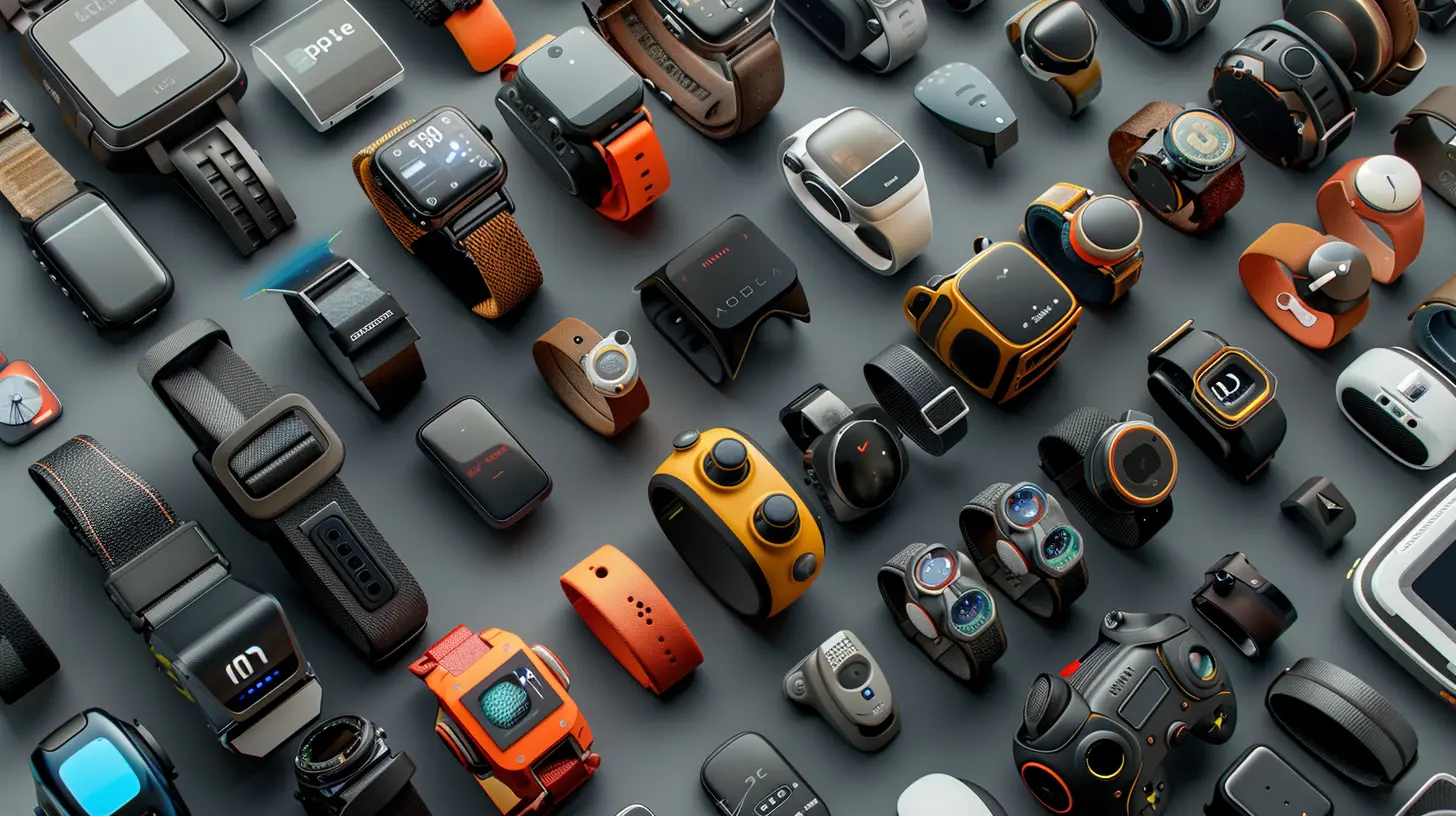
What Are Wearable Devices for Gamers, Anyway?
Okay, so before we dive headfirst into this digital rabbit hole, let’s break it down.Wearable devices for gamers are tech gadgets designed to be worn on the body—like smartwatches, haptic suits, AR/VR headsets, or even biometric trackers. These devices serve one or more of the following goals:
- Improve gameplay performance
- Deepen immersion
- Enhance health and well-being during long gaming sessions
- Personalize the gaming experience
In short? They’re putting the "real" in "virtual reality" and changing how we play.
Why Wearables Are the Next Big Thing in Gaming
You might be thinking, “Why do I need another gadget?” Fair question. But imagine your controller vibrating when your in-game character gets hit—that's baby steps compared to what's coming.Think of wearables as the bridge between you and the digital world. They add that next layer that lets you feel the game. And we're not just talking about haptics. We're talking thermal feedback, heart-rate syncing, and even muscle stimulation. Wild, right?
On top of that, competitive gamers are using biometrics to sharpen focus and reduce fatigue. That edge can be the difference between winning and respawning.
Types of Wearable Gaming Devices (And Why You’ll Want Them)
Let’s break down the wearable tech that’s already shaking up the gaming world—and some that are just around the corner.1. VR/AR Headsets: Step Into Another World
We can't talk wearable gaming without tipping our hats to virtual and augmented reality. VR headsets like the Meta Quest 3 or PlayStation VR2 don’t just let you play games—they let you be in them. Whether you're slicing beats in Beat Saber or exploring alien worlds, the level of immersion is off the charts.The great thing is, VR and AR are no longer just for rich tech nerds. They're becoming more affordable and user-friendly by the day. And with developers pushing boundaries every month, the experiences keep getting richer.
Top Picks:
- Meta Quest 3
- HTC Vive XR Elite
- PlayStation VR2
2. Haptic Suits and Vests: Feel Every Hit
Ever wanted to feel the recoil of your weapon? Or the heartbeat of your character as you hide from an enemy? Haptic feedback suits like the bHaptics Tactsuit or the OWO Skin deliver real-time physical sensations, mirroring what's happening in-game. It's like 4D cinema, but strapped to your chest and arms.Gamers call it a complete game-changer. It adds a visceral connection to the game world, making every explosion, hit, or rumble feel real.
Top Picks:
- bHaptics Tactsuit X40
- OWO Skin
- Tesla Suits (for serious high-end users)
3. Gaming Gloves: Become the Controller
Gloves like the SenseGlove or Manus Prime let you interact with VR environments using your hands, not controllers. Pretty neat, right? These gloves can simulate textures, resistance, and movement—dragging objects feels real, pushing doors open takes effort.This type of feedback is a game-changer for puzzle games, VR experiences, and simulation titles. It’s the closest thing we have to bending reality (or at least feeling like we are).
4. Smartwatches and Fitness Wearables: Health Meets Gaming
Hear me out: your smartwatch isn't just for fitness junkies. Devices like the Apple Watch or WHOOP Strap are helping gamers monitor biometrics like heart rate, stress levels, and even sleep quality.Why does that matter?
Well, competitive gamers are realizing that their physical condition affects gameplay. If your stress levels spike mid-match, your performance tanks. Wearables help you manage that. Some apps even adapt gameplay difficulty based on your vital signs.
Crazy? Maybe. Useful? Absolutely.
Top Picks:
- WHOOP Strap 4.0
- Fitbit Charge 5
- Apple Watch Series 9
5. Posture Trainers: Beat the Back Pain Boss
Sitting for hours grinding your rank? Yeah, we’ve all been there. But poor posture can lead to long-term health issues. Enter posture-training wearables like Upright GO or Lumo Lift. These little devices buzz when you slouch—kinda like a nagging parent, but helpful.They might not directly impact gameplay, but they will save your spine (and possibly your future).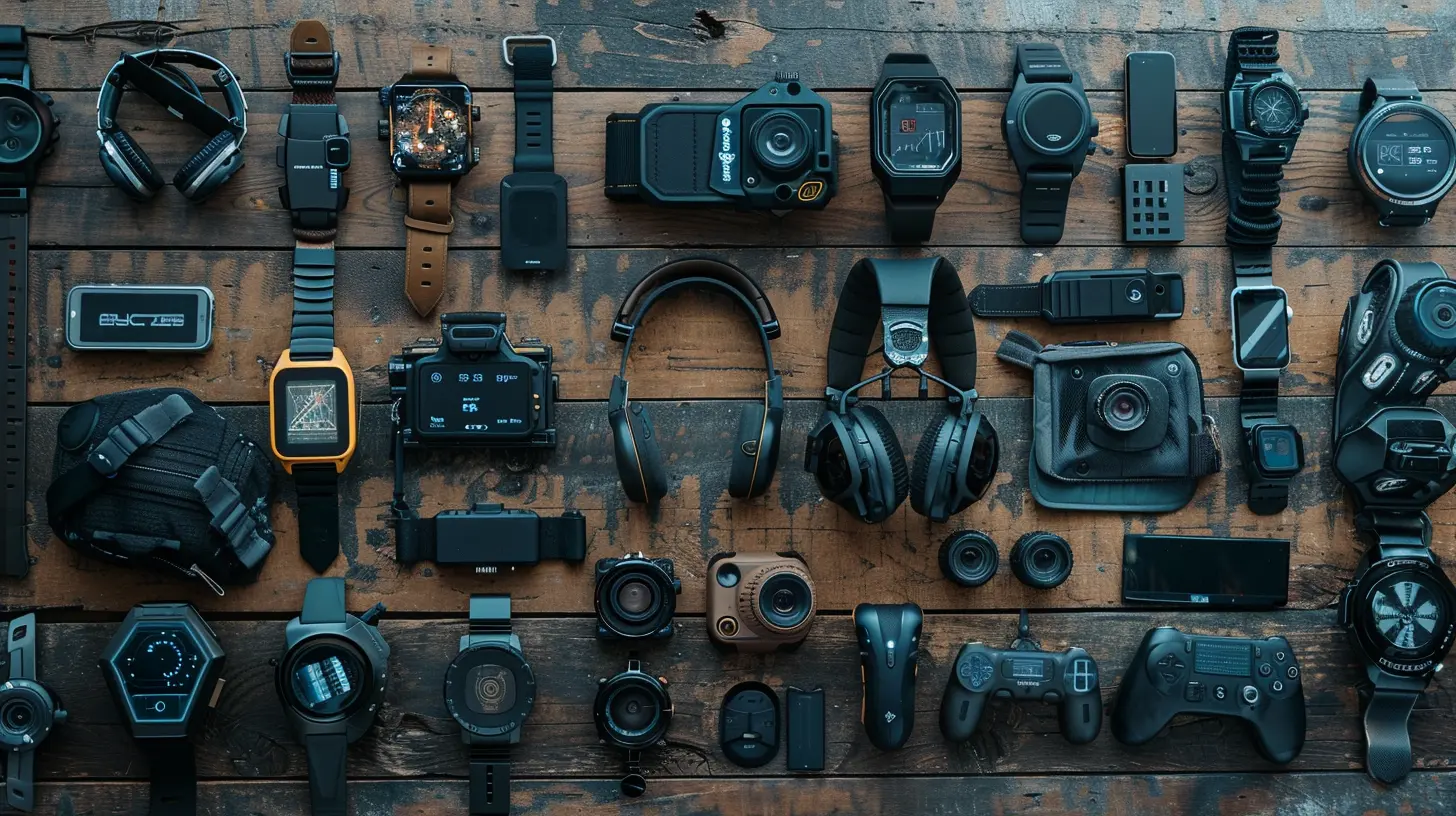
Wearables in Esports: The Competitive Edge
In esports, milliseconds matter. Athletes are turning to wearables for biometric tracking, hydration reminders, and better sleep optimization. Teams are even hiring fitness coaches to interpret wearable data.These devices are being used to reduce reaction time, improve focus, and string together longer sessions without burnout. It’s like Formula 1 for the human body—tuned to perfection.
Some teams even use VR headsets for strategy planning. Imagine practicing flanks and ambushes in a virtual battlefield before the match even starts. That’s not training—that’s tactical warfare.
The Metaverse and Wearables: A Whole New Gaming Universe
Ah, the metaverse—it’s the buzzword everyone's either hyped about or rolling their eyes at. But like it or not, wearables are the gateway to these new digital universes.In platforms like Horizon Worlds or Decentraland, your wearable devices are your passport. Your VR headset, your gloves, your smart rings—all sync up to help you exist and interact in a fully digital space.
And here's the kicker: these devices will eventually go beyond gaming. Think digital concerts, virtual shopping, remote work—even dating (awkward, but real). The lines between gaming and life? They’re already blurring.
Challenges: It's Cool, But It’s Not Perfect
Now, let’s be real for a second. Wearables sound amazing, but they’re not without their flaws.- Cost: Some of these devices are seriously expensive. High-end VR headsets or haptic suits can set you back hundreds—sometimes thousands—of bucks.
- Compatibility: Not every game supports wearable tech. Developers are catching up, but there’s still a gap.
- Comfort: You ever try wearing a VR headset for 2+ hours? Let’s just say it's not exactly spa treatment for your forehead.
- Battery Life: Some wearables drain faster than your willpower on a Monday morning.
Still, the rate of innovation is exploding. With each new release, these issues get smaller while the experiences get bigger.
The Future of Gaming Wearables: What’s Next?
If you think we’ve hit the peak—think again. Here’s what’s on the horizon for wearable gaming tech:- Brain-Computer Interfaces (BCIs): Devices like the NextMind or Neuralink aim to let you control games with your thoughts. Sounds like Jedi-level stuff, right? But it’s happening.
- AI-Powered Personal Coaches: Some smart wearables will soon have built-in AI to analyze your habits and coach you in real time.
- Full-Body Tracking: Beyond just your hands and feet. Imagine dance games or combat simulators that map every muscle movement.
- Modular Wearables: Mix-and-match devices you can assemble like gaming armor. Suit up for the game like Iron Man—yes, please.
Should You Jump on the Wearables Bandwagon?
If you’re a casual gamer, start small. Maybe a VR headset or a smartwatch with game tracking features. It’s a great way to dip your toes in without splurging.But if you’re more hardcore? Go big. Haptic suits, gloves, and even posture sensors can make your experience ridiculously more immersive.
Either way, gaming wearables are not just a trend—they’re the future. And if you're serious about your gaming experience (or just want to feel like a cyberpunk ninja), then wearables are your next power-up.
Final Thoughts
We’re standing on the edge of a digital revolution—and wearables are the rocket fuel launching gaming into the stratosphere. They’re transforming how we play, how we feel, and how we connect with virtual worlds.So the only real question that remains is…
Are you ready to wear the game?
all images in this post were generated using AI tools
Category:
Wearable DevicesAuthor:

Michael Robinson
Discussion
rate this article
1 comments
Sloan Graham
Who needs food when you can wear your game?
May 26, 2026 at 3:32 AM
Michael Robinson
Food fuels the body, but wearable tech fuels the game. Both are essential for a full experience.