Wearable Devices for Pain Management: Can Tech Help You Feel Better?
5 March 2026
We live in an era where technology seems to have a solution for almost everything. From smartwatches that track your steps to apps that remind you to drink water, tech is deeply intertwined with our daily lives. But what if I told you that the same technology could help manage pain? Yes, you heard that right. Wearable devices are no longer just about fitness tracking or smart notifications; they are now emerging as real game-changers in the world of pain management.
If you've ever experienced chronic pain, you know how life-altering it can be. Every step becomes a challenge, every movement a chore. Whether it's back pain, migraines, arthritis, or post-surgery discomfort, pain affects millions of people daily. Traditional treatments, like medications and physical therapy, often provide relief but come with their own set of limitations. Enter wearable devices—tech gadgets designed to help alleviate pain. But how exactly do they work, and more importantly, can they help you feel better?
Let’s dive into the fascinating world of wearable devices for pain management and explore whether these tech innovations are truly worth the hype.
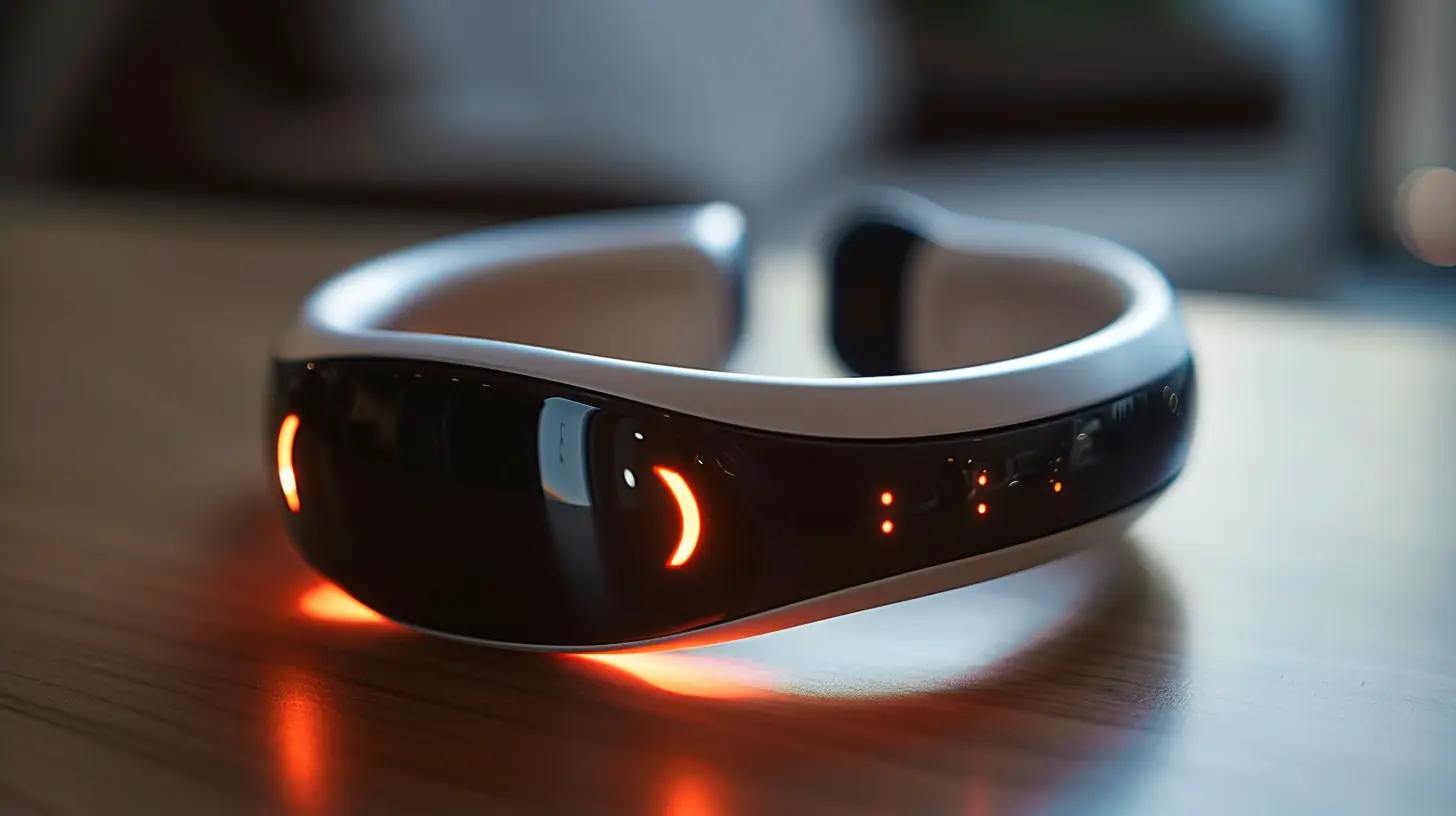
What Are Wearable Devices for Pain Management?
Wearable devices for pain management are gadgets that you wear on your body, designed to help reduce or manage pain. These devices use a variety of methods, including electrical stimulation, heat, cold, or vibration, to target specific areas where you're feeling discomfort. Unlike traditional pain relief methods, these devices aim to offer non-invasive solutions that can be used throughout the day without the side effects that often accompany medications.Think of them as your personal pain relief assistant, always there when you need them, without needing a prescription or a trip to the doctor.
How Do These Devices Work?
The magic behind wearable devices for pain management lies in how they interact with the body’s nervous system. Many of these devices work by delivering electrical impulses or vibrations to the affected area, which can interfere with pain signals being transmitted to the brain. In some cases, they may also stimulate the release of endorphins—your body’s natural painkillers.For example, Transcutaneous Electrical Nerve Stimulation (TENS) is one of the most well-known technologies used in these devices. It sends mild electrical currents to the skin, which can help block or reduce the perception of pain.
Other devices might incorporate heat or cold therapy, which has long been used for pain relief. The application of heat can stimulate blood flow and relax muscles, while cold therapy can reduce inflammation and numb the area.

Types of Wearable Devices for Pain Management
Wearable pain management devices come in many shapes, sizes, and functionalities. Here’s a breakdown of some of the most common types:1. TENS Units
TENS (Transcutaneous Electrical Nerve Stimulation) units are small, battery-operated devices that deliver low-voltage electrical currents through electrodes placed on the skin. The electrical pulses help to block the pain signals from reaching the brain, providing relief from conditions like arthritis, sciatica, and muscle pain.The beauty of TENS devices is that they are generally portable and easy to use. You can wear them at home, at work, or even while running errands. All you need to do is stick the electrodes to the affected area, turn on the device, and let the electrical pulses do their work.
2. EMS (Electrical Muscle Stimulation)
EMS devices are similar to TENS units but are designed to stimulate muscles rather than nerves. These devices are often used to help with muscle recovery after injury or surgery. By sending electrical signals to the muscles, EMS devices cause them to contract, which can improve circulation and reduce muscle tension.EMS devices are popular among athletes and physical therapy patients, but they can also be used for general pain relief, particularly in cases of muscle strain or stiffness.
3. Heating Pads and Cold Packs with Wearable Tech
Yes, the good old heating pad just got smarter! Wearable heating pads and cold packs incorporate tech to provide targeted relief where you need it most. With adjustable settings and sometimes even app-controlled features, these devices can provide consistent and controlled heat or cold therapy to the affected area.For example, wearable back braces with heat settings can be a lifesaver for those suffering from chronic lower back pain. And cold therapy wraps can help reduce inflammation in joints or injuries, providing relief after a long day of activities.
4. Vibrational Therapy Devices
Vibrational therapy devices use high-frequency vibrations to stimulate blood flow, reduce inflammation, and alleviate pain. These devices are often used for conditions like fibromyalgia or peripheral neuropathy, where pain is widespread and difficult to target with traditional methods.The vibrations can help relax muscles, decrease stiffness, and improve circulation, making it easier for the body to heal itself. While vibrational therapy is less commonly known than TENS or EMS, it’s gaining popularity as an alternative form of pain relief.
5. Wearable Acupuncture Simulators
Acupuncture has been used for centuries to treat various types of pain, but not everyone is comfortable with needles. Wearable acupuncture simulators use electrical impulses to mimic the effects of traditional acupuncture without the needles. These devices are often used to treat conditions like migraines, joint pain, and even stress-related discomfort.With a wearable acupuncture simulator, you can enjoy the benefits of acupuncture in the comfort of your own home—no need to schedule appointments or endure the prick of a needle.

Benefits of Using Wearable Devices for Pain Management
Now that we’ve covered the different types of devices, you’re probably wondering: "Why should I choose a wearable device over traditional pain relief methods?" Great question! Let’s explore the benefits.1. Non-Invasive and Drug-Free
One of the biggest advantages of wearable devices is that they offer a non-invasive, drug-free solution to pain relief. Unlike medications, which can have numerous side effects and potential for addiction, wearable devices pose far fewer risks. You won’t have to worry about developing a tolerance or experiencing side effects like drowsiness or nausea.2. Portability and Convenience
Wearable pain management devices are designed to be portable, making them easy to incorporate into your daily routine. Whether you're at work, at home, or on the go, you can discreetly wear most devices under your clothes and use them whenever pain strikes.3. Targeted Relief
Unlike over-the-counter medications that affect your entire body, wearable devices provide targeted relief to the specific area where you’re experiencing pain. This means you can focus on alleviating the pain exactly where it hurts without impacting other parts of your body.4. Cost-Effective
While some devices may seem expensive upfront, they can save you money in the long run by reducing the need for frequent doctor visits, medications, or physical therapy sessions. Plus, many devices are reusable, making them a long-term investment in your well-being.5. Minimal Side Effects
Most wearable devices come with very few side effects, especially when compared to traditional pain management methods like painkillers or surgery. The biggest risk with wearables might be skin irritation from electrodes or the heat setting being too high—but these are minor compared to the risks associated with more invasive treatments.6. Customizable Settings
Many wearable devices allow you to customize the intensity, duration, and type of therapy. Whether you prefer a gentle vibration or a stronger electrical pulse, you can adjust the settings to suit your specific needs and comfort level.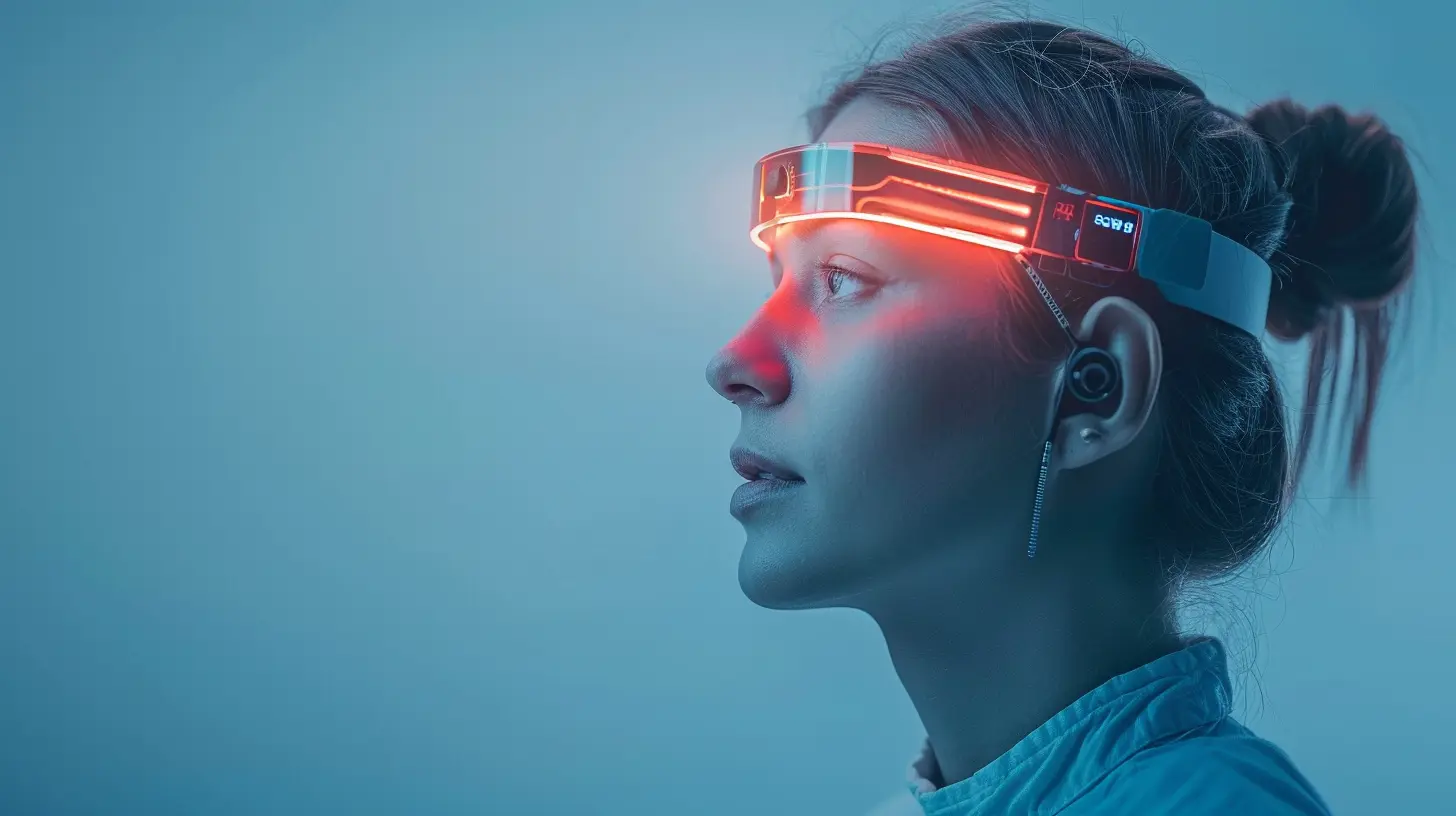
Are There Any Downsides?
Of course, as with any treatment method, wearable devices aren't perfect. While they are generally safe and effective, they might not work for everyone. Some people may find that the relief is short-lived, or that the device doesn't target their pain as precisely as they’d hoped.Additionally, certain conditions might require a more comprehensive approach to pain management, including physical therapy or medication. It's always a good idea to consult with your healthcare provider to determine whether a wearable device is the right option for your specific condition.
The Future of Wearable Pain Management
Looking ahead, the future of wearable devices for pain management looks incredibly promising. Advances in technology, such as AI and machine learning, are likely to make these devices even smarter. Imagine a device that could automatically adjust its settings based on real-time feedback from your body, or one that could predict pain flare-ups before they happen.We’re already seeing some exciting innovations in this field, such as wearable devices that integrate with mobile apps, allowing users to track their pain levels, customize treatment, and share data with their healthcare providers. As the technology continues to evolve, we can expect even more personalized and effective solutions for managing pain.
Final Thoughts: Can Tech Really Help You Feel Better?
So, can wearable devices for pain management really help you feel better? The short answer is: yes, they can—at least for many people. These devices offer a convenient, non-invasive, and drug-free way to manage pain, making them an attractive option for those looking to supplement or even replace traditional pain management methods.Of course, as with any treatment, results will vary from person to person. What works wonders for one individual might not be as effective for another. But given the minimal risks and the growing body of evidence supporting their effectiveness, wearable devices are definitely worth exploring if you’re looking for new ways to manage your pain.
In a world where technology continues to make our lives easier and more comfortable, wearable devices for pain management are just one more way that tech is helping us live better, healthier lives.
all images in this post were generated using AI tools
Category:
Wearable DevicesAuthor:

Michael Robinson
Discussion
rate this article
2 comments
Georgina Gray
Discover the hidden potential of wearable tech—could your next relief be just a heartbeat away?
April 2, 2026 at 4:37 AM
Michael Robinson
Absolutely! Wearable tech offers innovative solutions for pain management, making relief more accessible than ever.
Soraya McNaughton
Innovative wearable devices show promise in enhancing pain management and improving well-being.
March 9, 2026 at 5:47 AM
Michael Robinson
Thank you for your insights! It's exciting to see how innovative technologies can truly transform pain management and overall well-being.