The Promise of Algae Biofuel: A Sustainable Energy Alternative
30 May 2026
Fossil fuels have powered the world for over a century, but their environmental cost is undeniable. Climate change, pollution, and resource depletion have forced us to rethink how we produce energy. Enter algae biofuel—a renewable, efficient, and eco-friendly alternative that could revolutionize the energy industry. But is it truly the game-changer we need? Let’s dive into the science, benefits, and challenges of algae biofuel to see if it can live up to the hype.

What Is Algae Biofuel?
Algae biofuel is a type of renewable fuel derived from algae—a simple plant-like organism that thrives in water. Unlike traditional biofuels made from crops like corn or soybeans, algae grow rapidly and don’t compete with food production. These microscopic powerhouses absorb sunlight and convert carbon dioxide into energy, making them a perfect candidate for sustainable fuel.Scientists extract oil from algae and refine it into biodiesel, bioethanol, or biogasoline. The result? A renewable fuel source that can power everything from cars to jet planes with a much lower environmental footprint.
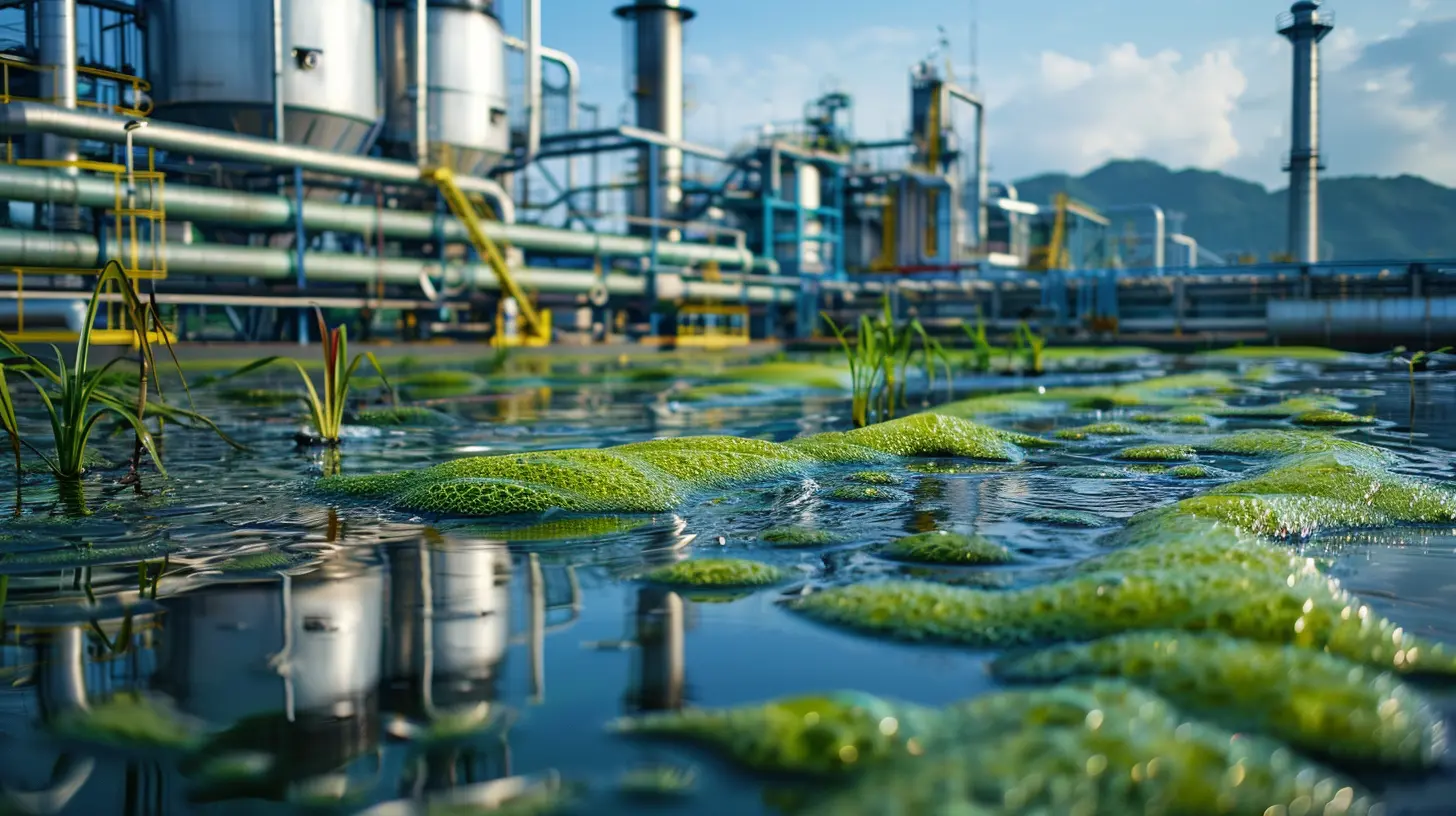
Why Algae? The Science Behind It
Algae are incredibly efficient at converting sunlight into energy, far surpassing traditional biofuel crops. Here’s why:- High Oil Content – Some algae species contain up to 60% oil, making them ideal for fuel production.
- Rapid Growth – Algae can double in biomass within hours, unlike corn or soybeans, which take months to grow.
- Minimal Resources – Unlike land-based crops, algae don’t need fertile land or freshwater—they thrive in saltwater, wastewater, and even industrial emissions.
- Carbon Capture – Algae absorb carbon dioxide during photosynthesis, reducing greenhouse gas levels and making biofuel production carbon-neutral.
With these advantages, algae biofuel seems like an obvious energy solution. But how does it compare to traditional fossil fuels and other biofuels?

Algae Biofuel vs. Traditional Fuels
Let’s break it down and see how algae biofuel stacks up against fossil fuels and other biofuels like ethanol and biodiesel.| Feature | Algae Biofuel | Fossil Fuels | Other Biofuels |
|---------------------|--------------------------------|------------------------------|---------------|
| Renewability | Yes, grows rapidly | No, takes millions of years to form | Yes, but competes with food crops |
| Carbon Emissions | Low, absorbs CO₂ during growth | High, contributes to global warming | Moderate |
| Land/Water Use | Minimal, grows in non-arable areas | Requires drilling, land destruction | High, needs fertile farmland and fresh water |
| Production Speed | Fast, doubles in hours | Slow, millions of years | Months |
| Scalability | Promising, but still developing | Already in place | Limited by agricultural land |
Clearly, algae biofuel has some massive advantages. However, it’s not without its challenges.

The Challenges of Algae Biofuel
While the potential is huge, algae biofuel faces some significant roadblocks.1. High Production Costs
Right now, producing algae biofuel is expensive. The cost of growing, harvesting, and processing algae into usable fuel is much higher than refining crude oil. Until production methods improve, widespread adoption is unlikely.2. Scalability Issues
While algae grow fast, cultivating them on a commercial scale is tricky. Large-scale algae farms require specialized equipment and infrastructure that isn't yet widely available.3. Energy-Intensive Processing
Extracting oil from algae is not a simple task. Many existing methods require a lot of energy, which can offset the environmental benefits of using algae as a fuel source.4. Competition with Other Renewable Energy Sources
Solar, wind, and hydrogen energy sources are also gaining traction as viable alternatives to fossil fuels. Algae biofuel must prove its worth in a competitive renewable energy market.Despite these challenges, researchers and companies are working tirelessly to refine algae biofuel technology. The breakthroughs we need might be just around the corner.
The Future of Algae Biofuel
So, what does the future hold for algae biofuel? Here are some key developments that could make it a viable energy source:- Improved Strains – Scientists are engineering algae strains that produce more oil while requiring fewer resources.
- More Efficient Extraction Methods – New techniques, like hydrothermal liquefaction, could significantly lower production costs.
- Government Incentives – Investments and subsidies for algae-based biofuels could accelerate progress.
- Integration with Carbon Capture – Some companies are using algae to capture CO₂ from industrial emissions, creating a win-win situation for sustainability.
If these advancements continue, algae biofuel could soon become a mainstream alternative to fossil fuels.
Final Thoughts: Is Algae Biofuel the Answer?
Algae biofuel holds enormous promise as a sustainable energy source. It’s renewable, carbon-neutral, and doesn’t compete with food crops for land and water. However, challenges like high production costs and scalability still need to be addressed before it can compete with fossil fuels.Despite the hurdles, the potential benefits of algae biofuel are too significant to ignore. With continued investment, innovation, and government support, this green fuel could play a crucial role in the future of energy. The world is searching for cleaner, more sustainable solutions—could algae be the answer? Only time will tell.
all images in this post were generated using AI tools
Category:
Renewable EnergyAuthor:

Michael Robinson
Discussion
rate this article
1 comments
Dusk Frye
This article sheds light on an exciting future for energy! Algae biofuel could be a game changer for sustainability, offering a greener alternative without sacrificing energy needs. Looking forward to more developments!
May 30, 2026 at 4:31 AM
Michael Robinson
Thanks for your enthusiasm! Algae biofuel really does have great potential for a sustainable future. I appreciate your interest and will keep you updated on new developments.