Wearable Devices and the Quantified Self Movement: Understanding Your Data
1 July 2026
Have you ever wondered just how much data your body generates in a single day? From your heartbeats to every single step, your body is an endless stream of data points. And thanks to wearable devices, we now have front-row seats to observe these insights. But what does it all mean? Is tracking our every move beneficial, or are we stepping into a world of obsession? Let’s dive into the fascinating world of wearables and the quantified self-movement.
The Rise of Wearable Devices
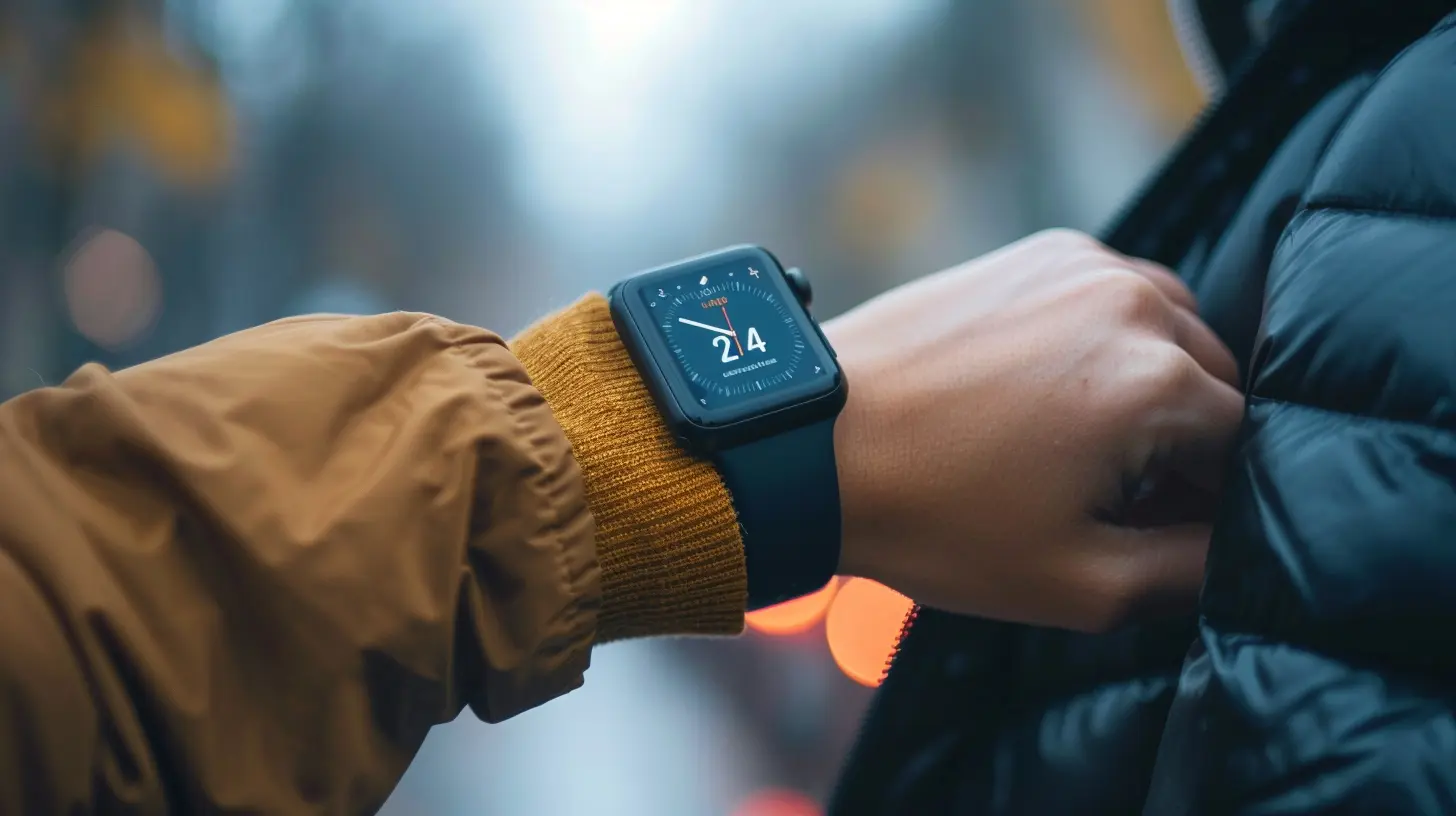
It started with basic pedometers, counting steps like a digital fitness nanny. But today, wearable tech has evolved into a sophisticated arsenal that monitors sleep, heart rate, blood oxygen levels, stress, and even body temperature. Smartwatches, fitness trackers, and even smart rings are revolutionizing how we understand our own bodies.Tech giants like Apple, Garmin, and Fitbit, along with newer players like Whoop and Oura, are pushing the boundaries of what's possible. With artificial intelligence and machine learning in the mix, these devices go beyond simple tracking—they now analyze, predict, and give personalized recommendations for better health and performance.
The Quantified Self Movement: What’s the Big Deal?
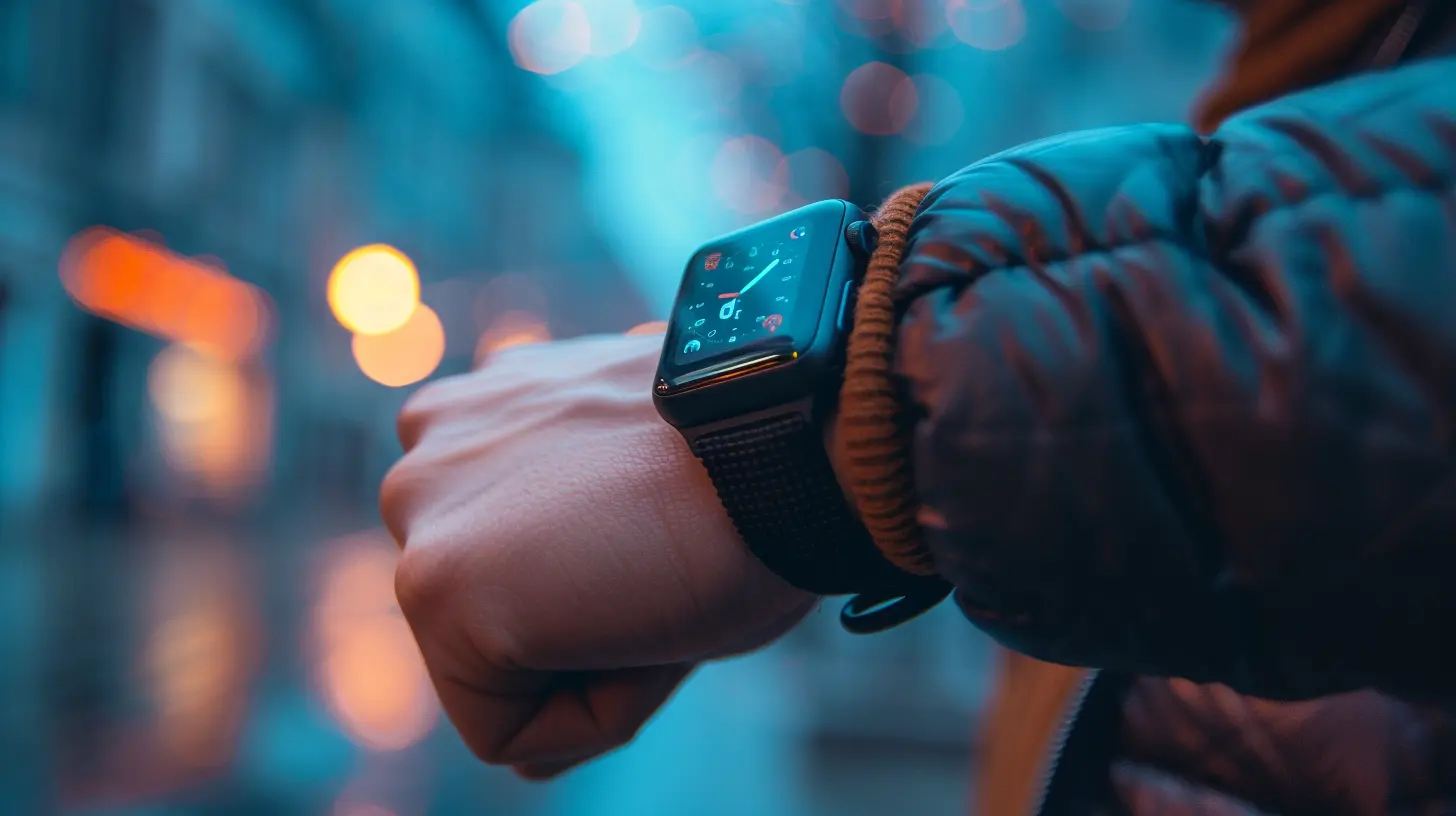
The term "Quantified Self" (QS) sounds like something out of a sci-fi movie, but it's very real. It refers to the movement of using technology to track, measure, and analyze various aspects of daily life. Think of it as turning your body into a personal science experiment.People track everything—sleep cycles, caloric intake, energy levels, mood fluctuations, heart rate variability, and even productivity. The aim? Self-improvement. The data provides cold, hard facts instead of relying on guesswork. Didn't sleep well last night? Your smartwatch confirms it. Feeling sluggish? Your device might show elevated stress levels or poor recovery. The QS movement empowers users with real-time, actionable insights.
Why Are People So Obsessed With Quantifying Everything?
Well, knowledge is power. When you know exactly how your body is functioning, you can make better, more informed decisions. Here’s why people are hooked:- Immediate Feedback – Your wearable device knows more about your body than you probably do. It tells you if you’ve been sitting too long, reminds you to hydrate, and even predicts when you’re getting sick.
- Personalized Health Insights – Instead of generic health advice, you get data-driven recommendations tailored specifically to your body and habits.
- Gamification of Health – Earning badges for hitting step counts or competing with friends makes health tracking feel like a game.
- Biohacking Potential – Some users go beyond basic tracking to optimize every aspect of their lives, from sleep cycles to fasting schedules.
The Dark Side of Wearable Data Tracking
While having unlimited access to body data sounds empowering, it also has its downsides.Data Overload & Anxiety
What happens when you start obsessing over every metric? Some users develop "orthosomnia"—a condition where worrying about sleep data actually worsens sleep quality. Constantly checking stats can create stress rather than relieve it. Instead of feeling in control, some people feel trapped by their data.Privacy Concerns: Who Owns Your Data?
Think about it—your wearable device is collecting personal health information every second of the day. But who has access to it? Many companies store this data on cloud servers, which raises concerns about security and privacy. Could insurance companies use your data to adjust premiums? Could employers require health tracking for productivity reasons? The ethical implications of wearable data are still a gray area.Accuracy Issues
Not all wearable devices are created equal. Some have significant margins of error, especially when measuring metrics like calorie expenditure, stress levels, or even heart rate variability. Relying too heavily on inaccurate data can lead to misguided health decisions.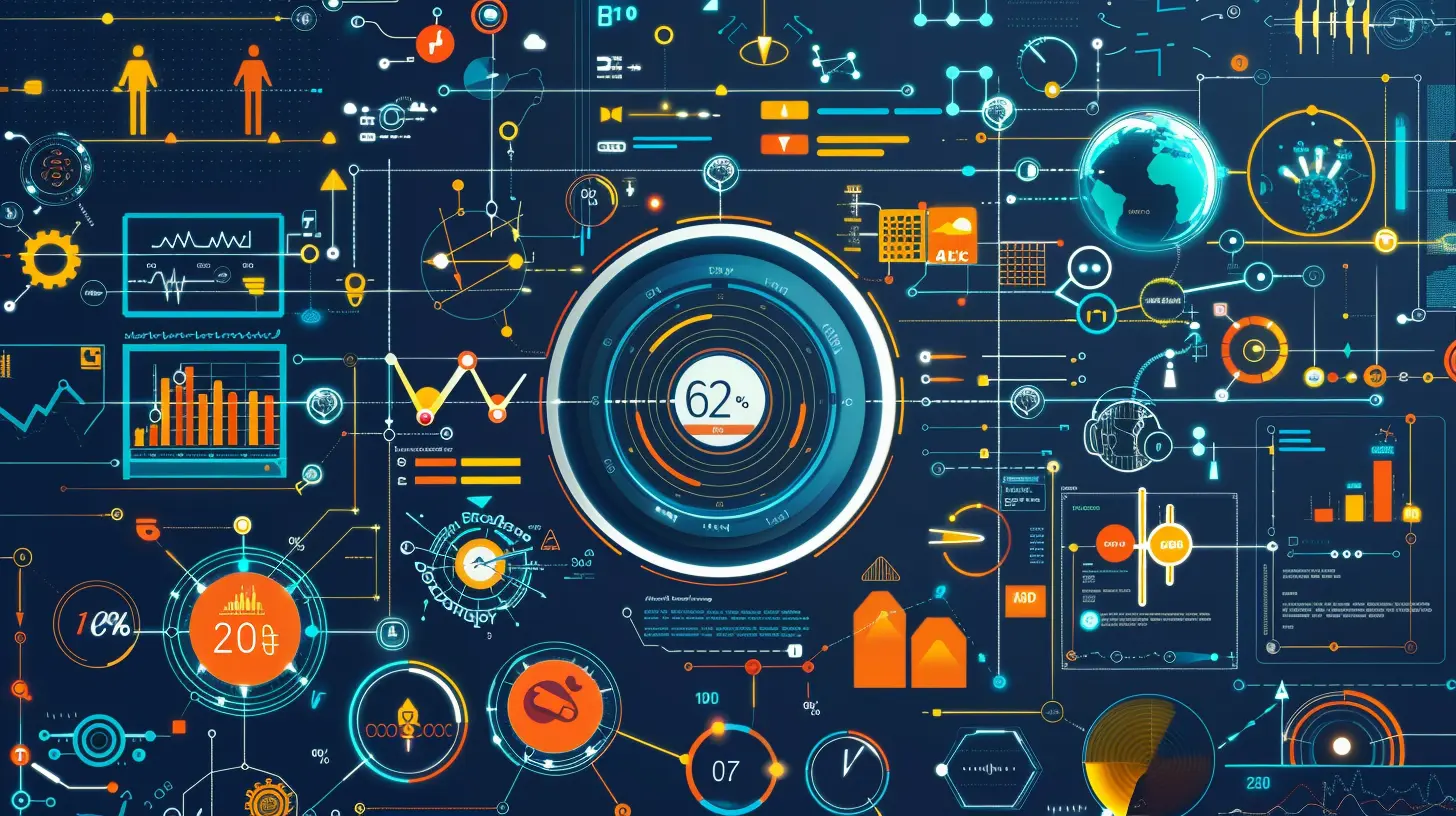
Understanding and Interpreting Your Data
Having data is one thing; knowing what to do with it is another. How do you make sense of all the numbers flashing on your smartwatch screen?Key Metrics You Should Pay Attention To
1. Heart Rate Variability (HRV) – A measure of the variation in time between heartbeats. Higher HRV typically indicates better recovery and stress adaptation.2. Resting Heart Rate (RHR) – A great indicator of your cardiovascular health. A lower RHR usually implies better overall fitness.
3. Sleep Stages – REM, Deep, and Light Sleep all play a role in recovery. Low deep sleep? You might not be fully recharging.
4. SpO2 (Blood Oxygen Levels) – Important for monitoring respiratory efficiency, especially for athletes or those with respiratory conditions.
5. Steps & Activity Levels – While hitting 10,000 steps is great, it’s better to focus on active movement throughout the day rather than just one massive walk.
Using Wearable Data to Improve Your Health
Now that you have this mountain of data, how do you use it to your advantage?- Make Small Adjustments – Don’t overhaul your life overnight. If your wearable tells you your recovery is low, take an extra rest day rather than pushing through.
- Identify Patterns – Do late-night Netflix binges ruin your sleep? Does stress spike your heart rate? Look for patterns and adjust your lifestyle accordingly.
- Experiment – Try tweaking your diet, workout routine, or sleep habits and see how your body responds through your data.
- Don't Obsess – Remember, wearables are just tools. They provide guidance, not absolute truths. Listen to your body, too!
The Future of Wearable Tech & The Quantified Self
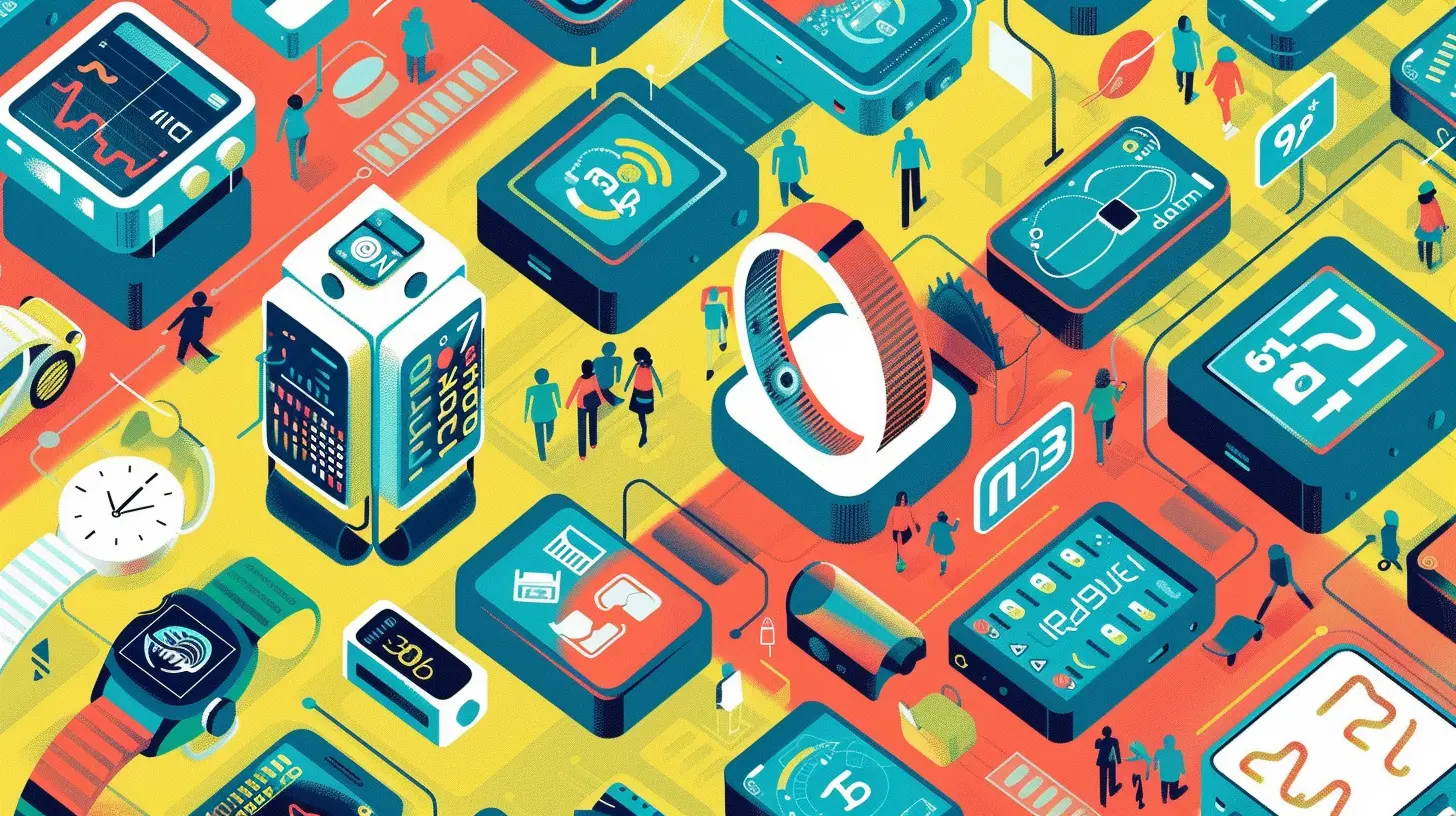
Where do we go from here? Wearable devices and the QS movement are only getting started. Future trends might include:- Non-Invasive Blood Sugar Monitoring – No more painful finger pricks for diabetics.
- AI-driven Health Coaching – Your smartwatch could eventually become your personal doctor.
- Brainwave Tracking – Imagine monitoring your focus and creativity levels in real-time.
- Implantable Devices – Some predict wearables will move inside the body for even deeper analysis.
The possibilities are endless, but one thing is clear—our relationship with health data is forever changed.
Final Thoughts
Wearable devices and the quantified self-movement are revolutionizing the way we understand our bodies. But as with any powerful tool, the key is balance. Use the data to enhance your well-being, but don’t let it dictate your life. Whether you’re a fitness enthusiast, biohacker, or just someone curious about your own body, wearable tech offers incredible insights—just remember to use them wisely.all images in this post were generated using AI tools
Category:
Wearable DevicesAuthor:

Michael Robinson
Discussion
rate this article
1 comments
Samantha Hensley
Wearable devices offer insights, but make sure you understand how your data is used.
July 3, 2026 at 10:29 AM
Michael Robinson
You're right. Understanding data usage is crucial. Transparency helps users make informed choices about their health.