Wearable Devices for Kids: Keeping Children Safe and Connected
6 April 2026
In a world where technology is baked into pretty much every part of our daily lives, it’s no surprise that wearables aren't just for adults anymore. Kids are getting their share of the tech pie too—and not just for fun. These gadgets are becoming essential tools for safety, communication, and even building healthy habits. But as a parent, it’s tough to know where to start. Which devices are worth it? What features matter most? And how safe is too safe?
Let’s break it down, step by step, in this deep dive into wearable devices for kids and how they’re helping families stay connected and children stay secure.
What Are Wearable Devices for Kids?
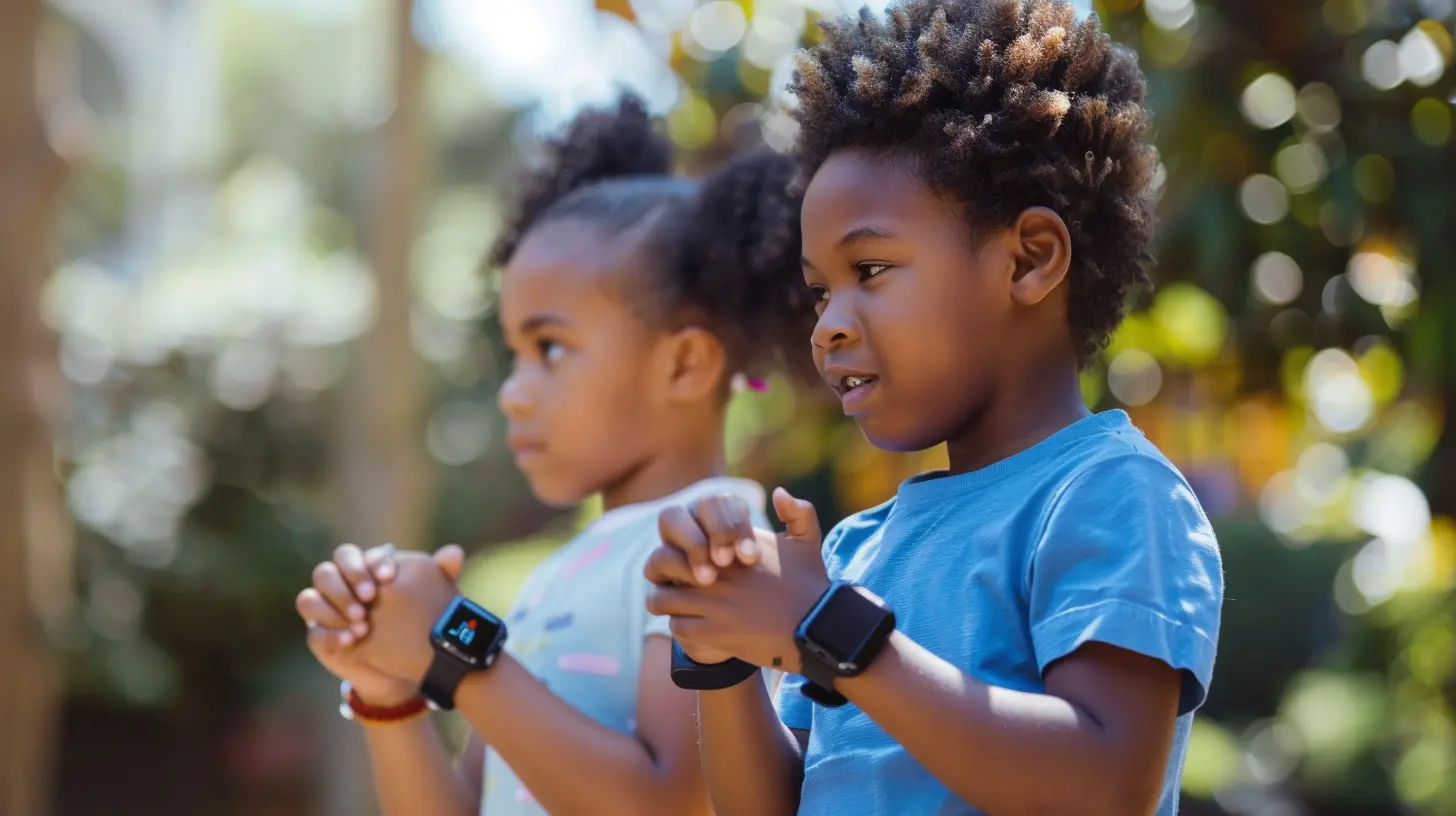
Okay, first things first—what actually qualifies as a "wearable device" for kids?A wearable for a child typically refers to a lightweight, portable gadget worn on the body—most commonly smartwatches, fitness bands, GPS trackers, or even smart clothing and accessories. These aren’t just mini versions of adult devices, either. They’re designed with a kid-first approach: easy to use, durable, limited in features (for good reason), and built to excite children while giving parents some peace of mind.
Examples of Popular Wearables for Kids
- Smartwatches (with call/text/GPS functions)- GPS Trackers (clip-ons for bags, clothes, or shoes)
- Fitness Bands (with games or rewards built-in)
- Smart Clothing (like jackets with tracking chips)
Why Parents Are Turning to Wearables
Let’s face it—parenting is not for the faint of heart. From the moment your kid takes their first steps, your protective instincts kick into overdrive. So how do you keep an eye on your child without hovering like a helicopter? Wearables might just be your secret weapon.1. Safety First: Real-Time GPS Tracking
Imagine being at a crowded amusement park and suddenly losing sight of your child. Scary, right? GPS-enabled wearables make those panic-inducing moments a little less terrifying. With real-time location tracking, you can see exactly where your child is—right from your smartphone.Most GPS watches for kids also include "geofencing" features. You set safe zones (like school or home), and if your child steps outside those boundaries, you get an instant alert.
2. Staying in Touch Without Giving Them a Smartphone
Kids want phones, but you may not be ready for that commitment just yet. Cue the kid-friendly smartwatch. These handy devices allow kids to make calls, send voice messages, or even text a list of pre-approved contacts. It’s like having a phone—but with parental controls and a whole lot less distraction.3. Building Better Habits Early On
Let’s not forget fitness. Kids today aren’t exactly running laps around the playground like they used to. Wearables with step counters or activity challenges encourage movement and even turn exercise into a game. Some even come with sleep trackers to help ensure your kid is catching enough Zzz's.4. Emergency Features That Matter
Many wearable devices come with SOS buttons. Push and hold, and the watch automatically dials parents or emergency contacts. Some even send location data at the same time. In stressful or scary situations, this small addition can be a literal lifesaver.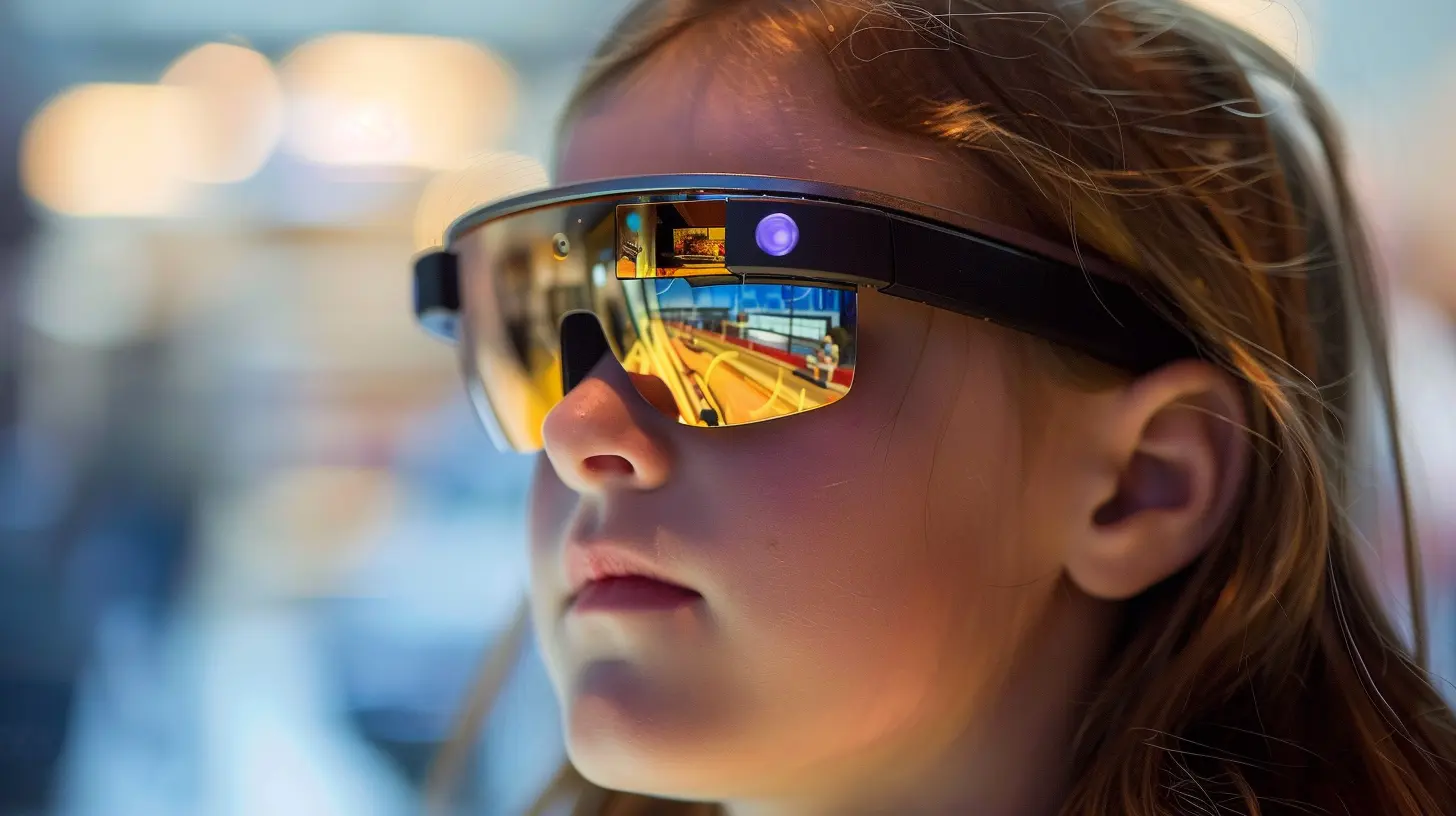
Features to Look for in Wearables for Kids
So, you’re thinking about buying a wearable for your child. Awesome. But with so many options, how do you pick the right one? Here’s a list of features worth thinking about.✅ Child-Friendly Design
Durability is key. Look for water-resistance, shock-proofing, and a design that can handle the chaos of childhood. Bonus points if it’s colorful and fun to wear—remember, if kids don’t like it, they won’t wear it.✅ Reliable GPS and Location Features
Not all trackers are created equal. Some work better in urban areas than rural ones. Others offer super accurate tracking down to a few feet. Always go for a device with reliable, real-time GPS tracking.✅ Two-Way Communication
If staying in touch is a priority, make sure the device supports voice calling, voice messages, or controlled texting. Parental control over contacts is a must.✅ Long Battery Life
What good is a safety device if it runs out of battery by lunchtime? Go for wearables with long-lasting batteries—at least one to two days on a single charge.✅ SOS and Emergency Functions
Check for panic buttons, fall detection, or auto-dial features in an emergency. Extra peace of mind goes a long way.✅ Privacy and Security Settings
This is a biggie. Make sure the device encrypts location data and allows you to control who sees what. Privacy policies should be crystal clear.
The Top Wearable Devices for Kids Right Now
Let’s talk real products. The market is growing fast, but here are some contenders that keep showing up on “best of” lists—and for good reason.1. TickTalk 4 Smartwatch
- 💡 Two-way audio and video calls- 📍 Real-time GPS tracking
- 🎶 Music streaming and activity tracking
- 🔒 Geo-fencing and firewall security
This one’s loaded. A bit on the higher end, but a favorite among tech-savvy parents.
2. AngelSense GPS Tracker
- 🧠 Specifically designed for kids with special needs- 👂 Listen-in feature for real-time audio
- 🧭 GPS with route playback
Focused more on safety than fun, AngelSense is an ideal choice for parents of children who need extra supervision.
3. Garmin Bounce Kids Watch
- 🥇 Activity tracking and step goals- ✉️ Messaging with parental approval
- 🐾 Buddy system for friends
Garmin brings its fitness know-how to the kid space. A great starter watch with solid features and reliable performance.
4. Jiobit Smart Tag Location Monitor
- 🔐 Military-grade encryption- 👟 Clip-on design—perfect for younger kids
- 📍 Real-time location updates
This tiny tracker packs a punch and is discreet enough to attach to clothes or backpacks.
Are Wearables Safe for Kids to Use?
Absolutely, but—as with all tech—there are things you need to watch out for.📱 Radiation Concerns
This often comes up. Most kid wearables emit lower levels of RF radiation than a smartphone. That said, it’s best to limit prolonged close contact when not needed—just like with adult devices.🔐 Data Privacy
Some lesser-known brands may not have strong data protection policies. Always check where the data is stored, how it’s encrypted, and if the company complies with child privacy laws like COPPA (Children's Online Privacy Protection Act).📵 Over-Reliance on Tech
While devices help mitigate risk, they can’t replace real-world parenting. Teach your child about safety, strangers, and what to do in an emergency—tech is the backup, not the babysitter.What Age Is Right for a Kid’s Wearable?
That depends. For GPS trackers or smart tags, kids as young as 3 or 4 can benefit—especially when traveling or attending large events. Smartwatches that include communication features? Usually best for kids aged 6 to 12. After that, some parents transition their kids to a basic smartphone.Just make sure whatever you choose fits your child’s maturity level, and of course, your family’s comfort zone.
How to Talk to Your Kids About Wearables
One big tip: don’t just slap the device on their wrist and call it a day. Tiptoe into the conversation. Frame it like this: “This gadget helps us stay in touch and keeps you safer when we’re not together.” Avoid making it sound like punishment or surveillance.Make them part of the process. Let them pick the color or strap. Show them how it works. Maybe even set fun activity goals together. When kids feel included, they’re more likely to embrace the tech.
The Future of Kids’ Wearables: What’s Coming Next?
We're just getting started, folks. The wearable market for kids is expected to grow like crazy in the next few years. Here's what we might see soon:- AI and Voice Assistants tailored for child-friendly tasks
- Health Monitoring like heart rate, body temp, hydration levels
- Augmented Reality Features for educational entertainment
- Better Battery Life and solar charging
- More Integration with Smart Homes and Schools
As tech continues to evolve, it’s likely wearables will become more than just safety tools—they’ll be learning, communication, and wellness hubs all rolled into one.
Final Thoughts: Are Wearables for Kids Worth It?
Look, no piece of tech can guarantee 100% safety—but wearables come pretty close to being the next best thing. They act like digital lifelines between kids and parents, offering not just peace of mind but also a sense of independence for little adventurers.Whether it’s for short walks to school or big family vacations, these little gadgets pack a serious punch for families looking to stay safe and connected. So if you’re on the fence, take the leap—you might just find a wearable that fits your child and your lifestyle perfectly.
Because let’s be honest, in today’s always-on, fast-moving world, anything that helps us feel more connected to our kids? That’s worth every penny.
all images in this post were generated using AI tools
Category:
Wearable DevicesAuthor:

Michael Robinson
Discussion
rate this article
2 comments
Dusk McVicar
Great insights! Wearable devices for kids are a fantastic way to blend safety and tech. It’s reassuring to know our little ones can stay connected while exploring their world!
April 13, 2026 at 2:50 AM
Michael Robinson
Thanks for your thoughts! I'm glad you agree on the benefits of wearable devices for kids. It's all about keeping them safe and connected as they explore their surroundings.
Martha Webster
Wearable devices for kids represent a significant leap in combining safety and connectivity. As technology evolves, these devices empower parents with real-time monitoring while fostering children’s independence. Striking a balance between safety and privacy remains crucial in ensuring their effective use and acceptance.
April 10, 2026 at 2:24 AM
Michael Robinson
Thank you for your insightful comment! You're absolutely right—balancing safety, connectivity, and privacy is key to maximizing the benefits of wearable devices for kids.