Esports Leagues: Breaking Down the Different Competitive Formats
18 August 2026
So, you’ve dipped your toes into the electric world of esports, and you're probably wondering — what’s the deal with all these different competitive formats? Why does League of Legends have a playoff bracket while Counter-Strike hosts weekend-long tournaments? And what even is Double Elimination?
Buckle up, because today we’re unpacking the wild, strategic, and sometimes downright chaotic world of esports league formats. Think of this as your personal cheat sheet to understanding how the sausage gets made in competitive gaming.
?️ What Are Esports Leagues, Anyway?
Before we dive into fancy terms like “Swiss Formats” or “Franchising,” let’s clear the air. An esports league is pretty much a structured competition where professional teams or players go head-to-head in video games. It's like the NFL, NBA, or Premiere League — just swap the helmets and cleats for headsets and keyboards.And just like traditional sports, the format of these leagues can wildly differ depending on the game, the organizers, and the fan base. So let’s get into the nitty-gritty.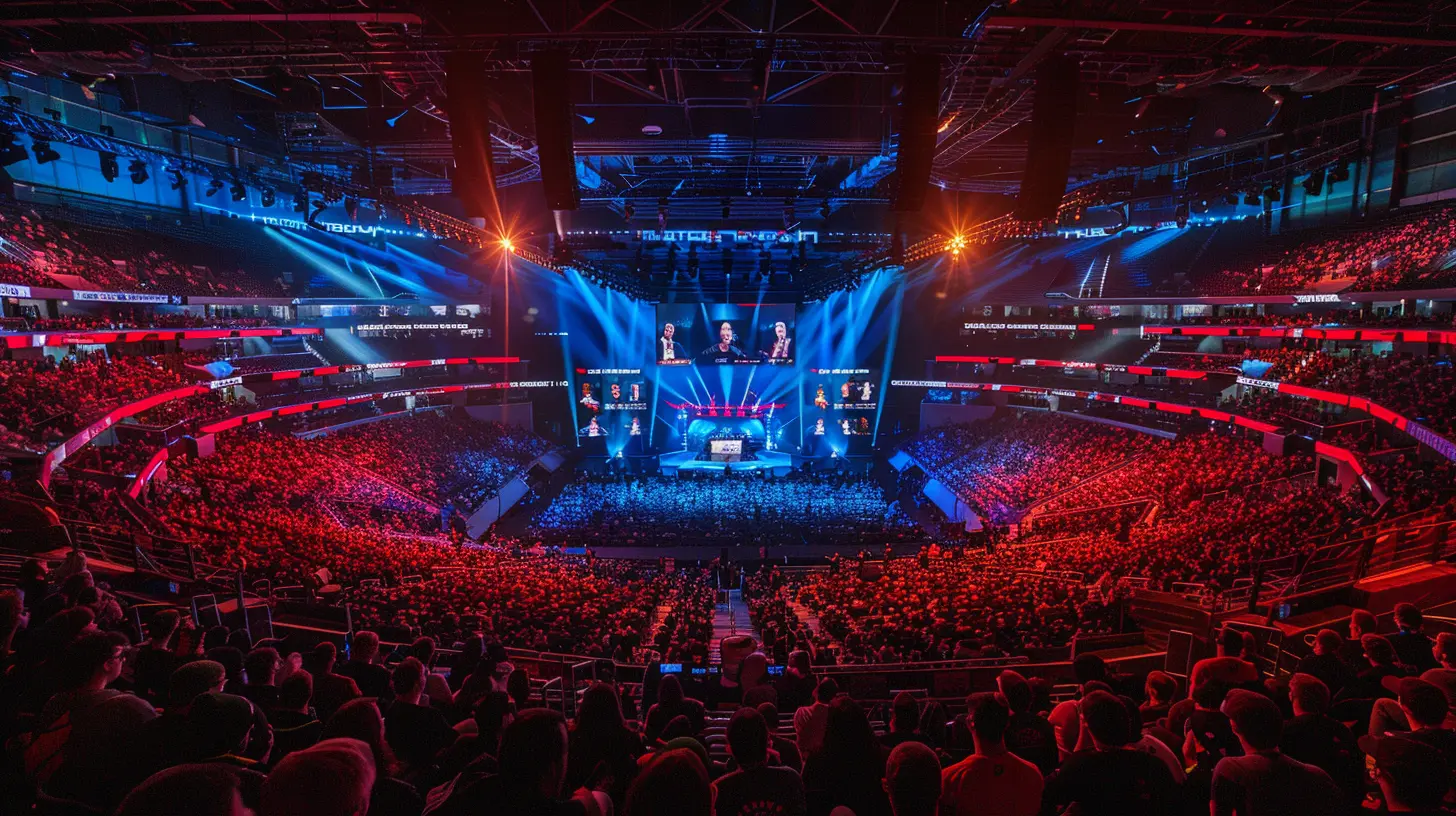
? Why Format Matters in Esports
You might think, “Who cares about the format? Just let the best team win!” But hold up — the format impacts everything. It shapes viewer excitement, influences strategies, and even affects team longevity. The stakes aren’t just pixels on a screen; they’re prize money, careers, and global bragging rights.The way a league is set up can mean the difference between an underdog making a Cinderella run or a top-seeded team steamrolling through with no challenge in sight.
? Single Elimination: One Shot, One Kill
Picture this: lose once and you're out. Brutal, right?How It Works
In a single elimination format, teams are matched up in a bracket. The loser goes home, the winner moves on. It's simple, quick, and merciless.Where You’ll See It
This format pops up often in early qualifiers or smaller tournaments where time is tight and stakes are high.Pros
- Fast and straight to the point- High-stakes games = max hype
Cons
- No second chances- Can feel unfair if a top team has an off-day
? Think of it like a sudden-death penalty shootout — intense, no-nonsense, and unforgiving.
? Double Elimination: The Redemption Arc
Now, this is where things get a bit more forgiving.How It Works
In double elimination, teams must lose twice before getting knocked out. There's a Winners’ Bracket and a Losers’ Bracket. Lose once? You drop down. Lose again? Game over.Where You’ll See It
This format is a fan-favorite in games like Dota 2 (The International) or CS:GO (ESL tournaments).Pros
- Gives teams a second chance- Encourages storylines and comebacks
Cons
- Can drag on, especially in larger events- May be confusing for casual fans
?Imagine a safety net under a tightrope — it gives you one more shot to dazzle the crowd.
?Swiss System: Controlled Chaos
Here’s where things get spicy and a bit nerdy.How It Works
Instead of a bracket, every team plays a fixed number of rounds — usually 5 to 9. Teams are paired each round based on their performance so far. You win? You face tougher opponents next. You lose? You’re matched with someone else in the same boat.Where You’ll See It
Heavily used in Hearthstone, CS:GO Majors, and even Rocket League qualifiers.Pros
- Ensures balanced matchups over time- Keeps things fair and fresh
Cons
- Not the most viewer-friendly- Can get complex with tie-breakers
?Think of it like speed dating with your skill level — you only face people on your level after each round.
? Round Robin: The Everyone-Plays-Everyone Party
It's the Oprah Winfrey of formats: “You get a match! And YOU get a match!”How It Works
Each team plays against every other team. Simple as that. In a full round robin, every matchup happens once; sometimes twice in a “double round robin.”Where You’ll See It
Used a lot in group stages — like in League of Legends’ Worlds or Overwatch League.Pros
- Super fair — no dodging strong teams- Great for accurate seeding into playoffs
Cons
- Time-consuming- Can lead to messy tie-breaker situations
?It’s the esports equivalent of a fiber-rich diet — not flashy, but very good for structure.
?️ League + Playoff Hybrid: The Best of Both Worlds
Now we’re talking mainstream. Most big-name esports leagues are structured like traditional sports: Regular season + playoffs.How It Works
Teams play through a regular season in round robin format. Top teams advance to a playoff bracket (usually single or double elimination) to fight for the championship.Where You’ll See It
Just about everywhere: LCS (League of Legends), Call of Duty League, Overwatch League, and more.Pros
- Builds hype over time- Balanced for fairness and entertainment
Cons
- Long runtime- Can be tough for underdogs to break through
?It’s the “Netflix series” of formats — slow burn into an explosive finale.
? Franchised Leagues: The Esports NBA
Franchising is the hot new thing. It’s like building your own esports version of the Lakers or Patriots.How It Works
Teams buy franchise spots in a closed league. Once you're in, you’re safe — no relegation, no dropping out.Where You’ll See It
Popular in League of Legends (LCS, LEC), Overwatch League, and Call of Duty League.Pros
- Financial stability for teams- Brand building and long-term investment
Cons
- No promotion/relegation = limited fresh blood- Risk of stagnation or uncompetitive teams
? Think of it like buying a seat at an exclusive table — you’ve paid your way into the elite club.
? Open Leagues: The Wild West
On the flip side, open leagues are exactly what they sound like: open to everyone. Whether you're a pro or just cracked on your laptop at 2 AM, you can join — assuming you qualify.How It Works
Anyone can enter. Teams climb through qualifiers, often battling through regional or national stages before hitting the global scene.Where You’ll See It
VALORANT’s VCT Challenger circuit, Dota 2’s TI qualifiers, and CS:GO’s open qualifiers.Pros
- Anyone can rise to the top- Promotes new talent
Cons
- Lower-tier teams may lack resources- Harder to sustain financially
?♂️ It’s the esports equivalent of a grassroots movement — raw, open, and full of heart.
?️ Regional Leagues: Divided by Borders
Sometimes, skill levels and ping (aka internet delay) just don’t align across the globe. That’s where regional leagues come in.How It Works
Leagues are divided by geography — NA, EU, Asia, etc. The top teams from each region qualify for global tournaments.Where You’ll See It
League of Legends (LCS, LEC, LCK, LPL), VALORANT regions, and StarCraft’s GSL.Pros
- Fairer play due to lower ping- Cultivates local talent and fanbases
Cons
- Regional imbalance (some stronger than others)- Sometimes denies head-to-head matchups between best teams
? Think of it like competitive zoning laws — you’ve got to conquer your own territory before you go global.
? Auto Chess Formats, BR Games, and Other Outliers
Some games don’t follow traditional team-vs-team formats. Games like Auto Chess, PUBG, or Apex Legends rely on survival and placement over rounds.How It Works
Points are awarded based on placement and eliminations across multiple games. The team or player with the highest combined score wins.Where You’ll See It
Battle Royale and strategy games mainly — think Fortnite FNCS or TFT Worlds.Pros
- Captures game-specific elements- Unique viewing experience
Cons
- Sometimes confusing for new viewers- RNG (randomness) can play a big role
? It's like competitive Hunger Games… only with drop zones and digital loot.
? The Future of Esports Formats
As esports continues to grow, we’re likely to see even wilder formats, more hybrid systems, and increased audience interactivity.Will we get VR tournaments? AI-enhanced broadcasts? Choose-your-own-adventure tournament brackets? Honestly, all of the above seems possible.
Formats will keep evolving, but one thing will stay the same: the thrill of good ol' competition.
? Final Thoughts
So, whether you're a die-hard Dota 2 fan, a budding VALORANT warrior, or just someone trying to wrap their head around this whole esports thing — we hope this gave you a clear view of how different formats shape the game.Remember: behind every flashy kill montage and confetti-filled stage, there’s a carefully crafted format determining how these pros battle it out.
The next time someone asks, “Wait, how does that tournament even work?” — you’ll know exactly what to say.
all images in this post were generated using AI tools
Category:
EsportsAuthor:

Michael Robinson
Discussion
rate this article
1 comments
Thea Banks
Understanding formats can enhance both strategy and viewer engagement.
August 18, 2026 at 3:18 AM