Innovative Nanostructured Surfaces Enhance Antibacterial Properties and Support Cell Growth
January 11, 2025 - 16:27

Recent advancements in nanostructured alumina surfaces have demonstrated remarkable antibacterial resistance, paving the way for safer cell culture environments crucial for regenerative medicine. Researchers at Tokyo Metropolitan University have engineered these surfaces to significantly reduce bacterial contamination without the need for antibiotics.
The newly developed technology utilizes unique surface structures that not only inhibit bacterial growth but also create an optimal environment for cell proliferation. This breakthrough is particularly important in the field of tissue engineering, where maintaining sterile conditions is vital for the success of cell-based therapies.
By eliminating the reliance on antibiotics, these surfaces minimize the risk of developing antibiotic-resistant bacteria, a growing concern in medical treatments. The implications of this research extend beyond regenerative medicine, potentially impacting various sectors, including pharmaceuticals and biotechnology. As the demand for effective and safe cell culture techniques increases, these innovative surfaces represent a significant leap forward in ensuring the integrity and efficacy of biological research and applications.
MORE NEWS

August 21, 2026 - 12:01
General Motors collects data for self-driving technology in Fort MyersGeneral Motors has quietly begun a data collection effort in Fort Myers, using a fleet of specially equipped vehicles to map and record the area`s roadways. The cars, which are being driven by...

August 20, 2026 - 18:18
Opinion: Technology isn't the hard part anymoreFor years, the conventional wisdom in the telecom industry was that the biggest hurdle to connecting rural America was the technology itself. Laying fiber across vast, sparsely populated terrain,...
August 20, 2026 - 03:19
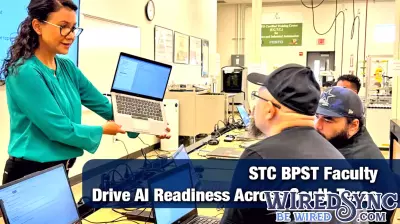
STC’s Business, Public Safety and Technology Faculty Mobilize to Prepare Students for an AI-Driven FutureFaculty across South Texas College`s Division of Business, Public Safety and Technology are joining forces to make sure students do not get left behind as artificial intelligence reshapes the...

August 19, 2026 - 04:25
Integrating Technology in the Classroom Must Be Handled With Caution and PragmatismSchool systems across the country are moving forward with digital learning tools, but the push to modernize classrooms is meeting a wave of caution from educators and administrators. At the 2026...